


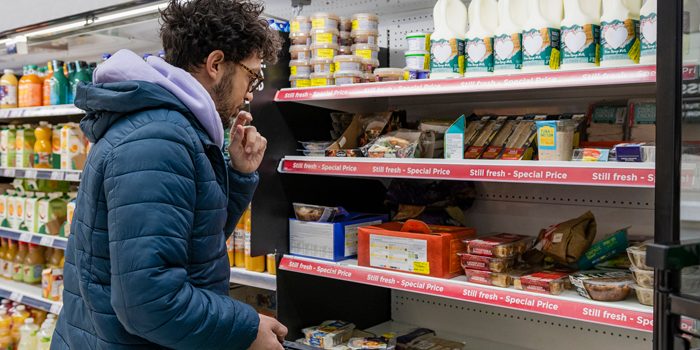
When will the cost-of-living crisis end?
There isn’t a single date when the UK cost-of-living crisis will end.
For many households, it will start to feel as though the crisis is easing when price rises are more stable, incomes are keeping up with essential costs, and there is more money left after paying for things like food, housing and energy.
Inflation, the rate at which prices for goods and services rise over time, has fallen below the peaks seen in 2022, but prices are still high.
UK inflation rose to 3.5% in the 12 months to September 2026, up from 3.1% in August. The UK Government sets the Bank of England a target of keeping inflation around 2%. The aim is to keep price rises low and stable, so households and businesses can plan their spending more easily.
When inflation falls, it usually means prices are going up more slowly. It doesn’t normally mean prices are going back down.
For example, imagine something costs £100 and its price rises to £110. If inflation then slows, its price doesn’t automatically return to £100. It could rise more slowly from £110 to £112 instead.
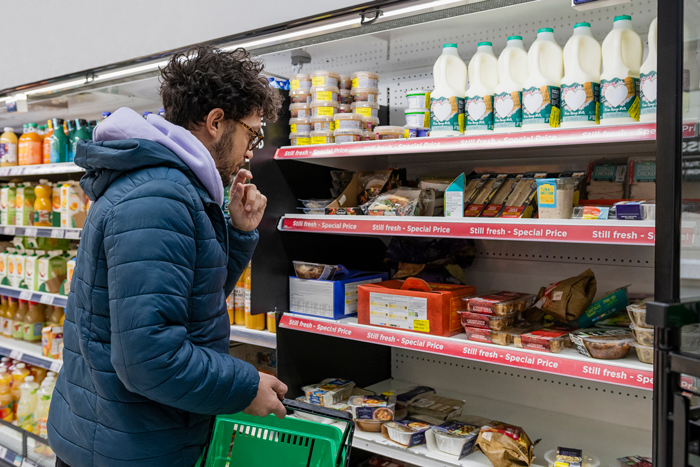
When could the cost-of-living crisis end?
There may not be one clear moment when the cost-of-living crisis ends. Instead, households are likely to notice a series of practical improvements.
Signs that pressure is easing could include:
- food, energy and other essential costs becoming more stable
- wages and other income keeping up with everyday spending
- rent, mortgage and household bills taking up less of monthly income
- more money being left after essential costs are paid
- less need to use credit or savings to cover everyday expenses
- households finding it easier to build up savings or deal with unexpected costs.
These changes are unlikely to happen at the same time for everyone. Housing costs, income, family size and other circumstances will all affect how quickly individual households feel the benefit.
Will prices go back down?
Some prices can fall. Fuel, energy and certain food prices can all move up and down. But prices across the economy don’t usually return to their previous levels just because inflation has slowed.
Several years of price rises have already become part of household spending.
The Office for National Statistics’ Household Costs Index found that overall household costs increased by 2.8% in the year to June 2026. Private renters faced the highest rate among the main housing groups, at 3.0%.
If you want to see how much money you have after regular spending, MoneyPlus’ disposable income calculator can help you work through your figures.
Why is the cost of living still so high?
There wasn’t one single cause of the sharp rise in living costs.
The COVID-19 pandemic disrupted supply chains and changed demand for goods and services. Russia’s invasion of Ukraine and the war between the USA/Israel and Iran then contributed to major increases in energy and some food prices.
Households have also faced pressures from housing costs, borrowing costs and changes in global energy and supply costs.
Those earlier increases don’t disappear when inflation falls. More recent events can also push prices up faster again, as shown by the increase in inflation from August to September 2026.
Are household costs starting to improve?
There have been signs of easing pressure, but the picture is mixed.
The Household Costs Index rose by 2.8% in the year to June 2026, down from 3.6% in March. Housing and household services, and food and non-alcoholic drinks, made a smaller contribution to the increase than they had three months earlier.
However, inflation has since risen again on the CPI measure.
Headline figures won’t reflect exactly what every household pays. Your own budget may therefore tell you more about your financial position.
If your spending is regularly higher than the money coming in, our guide to what to do when expenses are more than income explains some practical steps to consider.
What cost-of-living help is available in 2026?
The support available has changed since the earlier stages of the cost-of-living crisis.
There are no Cost of Living Payments planned for 2026 and the government says no further payments are planned. Previous payments were made to some people receiving qualifying benefits or tax credits between 2022 and 2024.
Other help may still be available depending on your circumstances and where you live, including:
- benefits and financial support
- Council Tax Reduction
- help from your local council with essential costs
- support with housing costs
- cheaper phone and broadband social tariffs
- help with energy bills.
The Autumn Budget 2026 also announced new help with energy costs.
From January 2027, households in Council Tax bands A to D in England will be eligible for a one-off £100 Household Energy Payment. If you pay your Council Tax by Direct Debit, the payment should be made automatically into your bank account. Other eligible households will be invited by their council to apply.
The government has also provided £100 million for councils in England to offer extra support to households struggling with energy bills who do not qualify for the £100 payment.
The temporary 0% VAT rate on domestic electricity has also been extended until July 2027. The government expects this to reduce the annual Ofgem price cap by around £50 in April 2027.
The Warm Home Discount can provide further help towards electricity costs for eligible households. Eligibility and arrangements vary depending on where you live.
If energy costs are becoming difficult to manage, read our guide on what to do if you can’t pay your energy bills.
Because schemes and eligibility can change, check current government guidance before relying on a particular form of support.
What can I do if rising costs have left me in debt?
If essential costs rise faster than your available income, keeping up with borrowing can become harder.
Start by looking at what money is coming in and what needs to be paid each month. Some bills have more serious consequences if they aren’t paid, so rent or mortgage payments, Council Tax and energy bills can need attention before unsecured debts such as credit cards.
If you’re unsure which payments to deal with first, the MoneyPlus Bill Prioritiser can help you identify which bills may need attention first.
If you’re struggling with several debts, debt advice can help you understand your options.
An advisor can look at your income, spending, debts and priority bills before explaining the options that may be suitable for your circumstances. This could include dealing with creditors yourself or, where appropriate, a formal or informal debt solution.
For example, a Debt Management Plan (DMP) is an informal arrangement that can be used to make payments towards eligible unsecured debts. Creditors don’t have to agree and interest or charges aren’t guaranteed to stop.
An Individual Voluntary Arrangement (IVA) is a formal insolvency solution available in England, Wales and Northern Ireland. If an IVA is approved, you make agreed payments towards qualifying debts, usually for a set period. If it’s successfully completed, remaining qualifying debt included in the IVA is written off. IVAs involve fees, risks and consequences and aren’t suitable for everyone.
Frequently asked questions
There’s no confirmed end date. Inflation is much lower than its 2022 peak, but prices remain high and inflation rose to 3.5% in September 2026. Household finances will also depend on factors such as wages, housing, food and energy costs.
Many households are still experiencing pressure from the cost of essentials. Overall household costs increased by 2.8% in the year to June 2026, according to the ONS.
Falling inflation means prices are increasing more slowly than they were before. It doesn’t usually mean prices are falling.
Prices rose significantly during the period of high inflation. Lower inflation doesn’t reverse those earlier increases, so food, housing, energy and other costs can remain much higher than they were several years ago.
It may, but the outlook is uncertain. In September 2026, the Bank of England warned that higher energy prices could push inflation slightly above 4% in early 2027. Future inflation will depend on factors including energy prices and wider economic conditions.
Start by identifying your income, essential spending and the bills with the most serious consequences if they’re missed. Contact providers or creditors if you can’t pay. If several debts are becoming difficult to manage, free debt advice can help you understand your options.
When will households start to feel better off?
For many people, the clearest sign of improvement will be having more money left after paying for essentials. How quickly that happens will depend on costs such as housing and energy, as well as individual household circumstances.
If rising living costs have already made debts difficult to manage, debt advice can help you review your finances and understand the options available. You don’t need to decide on a debt solution before your circumstances have been considered.
Getting debt help
If the cost of living is affecting you, MoneyPlus can provide regulated debt advice to help you find a solution.
If you choose a solution with MoneyPlus, fees may apply. Fees, risks and alternatives are explained before you agree. You can also get free, impartial guidance through MoneyHelper.
